Change text in an image
Replace headlines, sign messages and short translations while reviewing typography, spacing and unchanged details.
Last updated: 2026-11-17
Replace an offer with an everyday message
Actual AI replacement: WEEKEND OFFER becomes FRESH EVERY DAY. Compare line length, spacing and background.
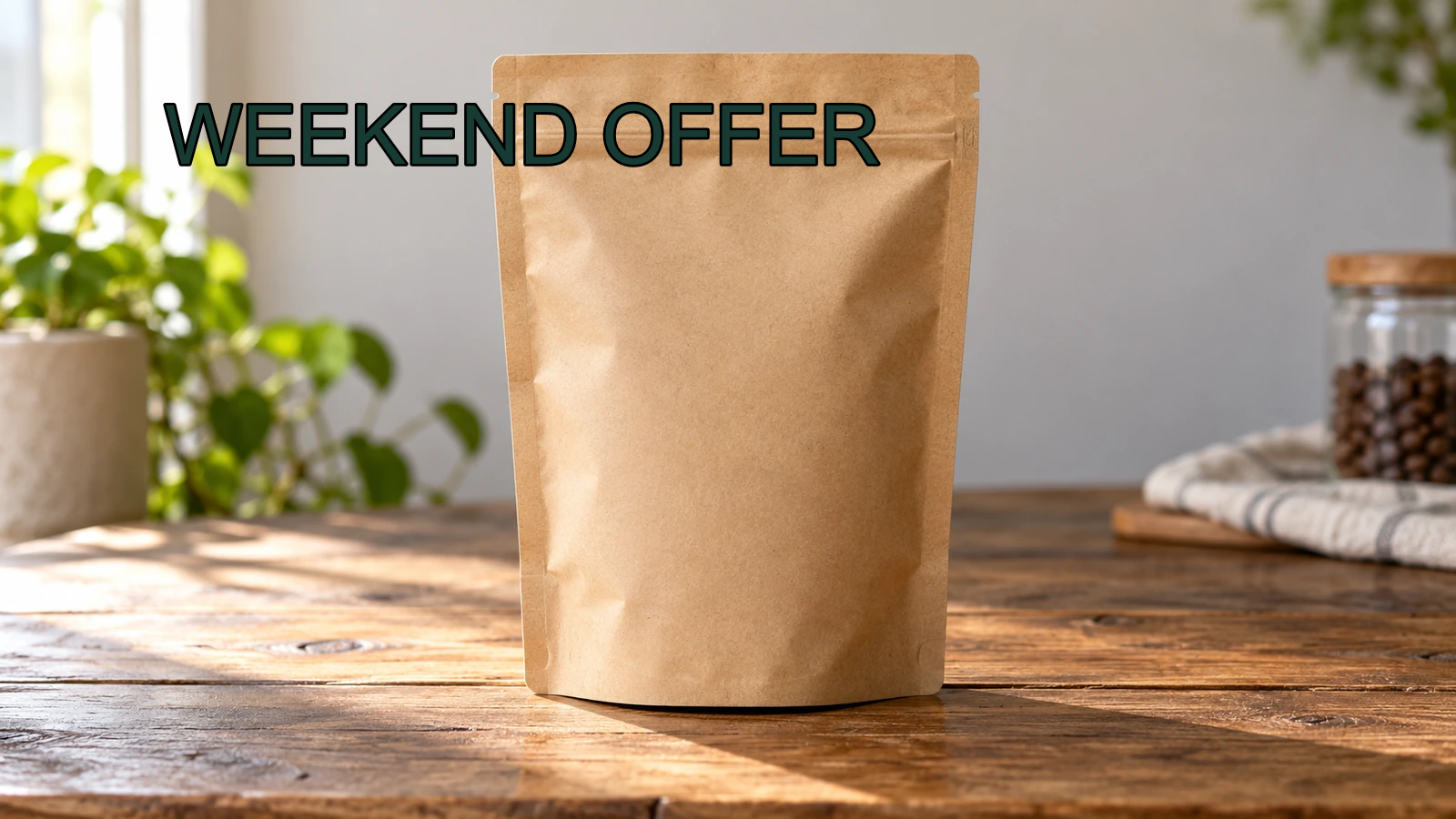
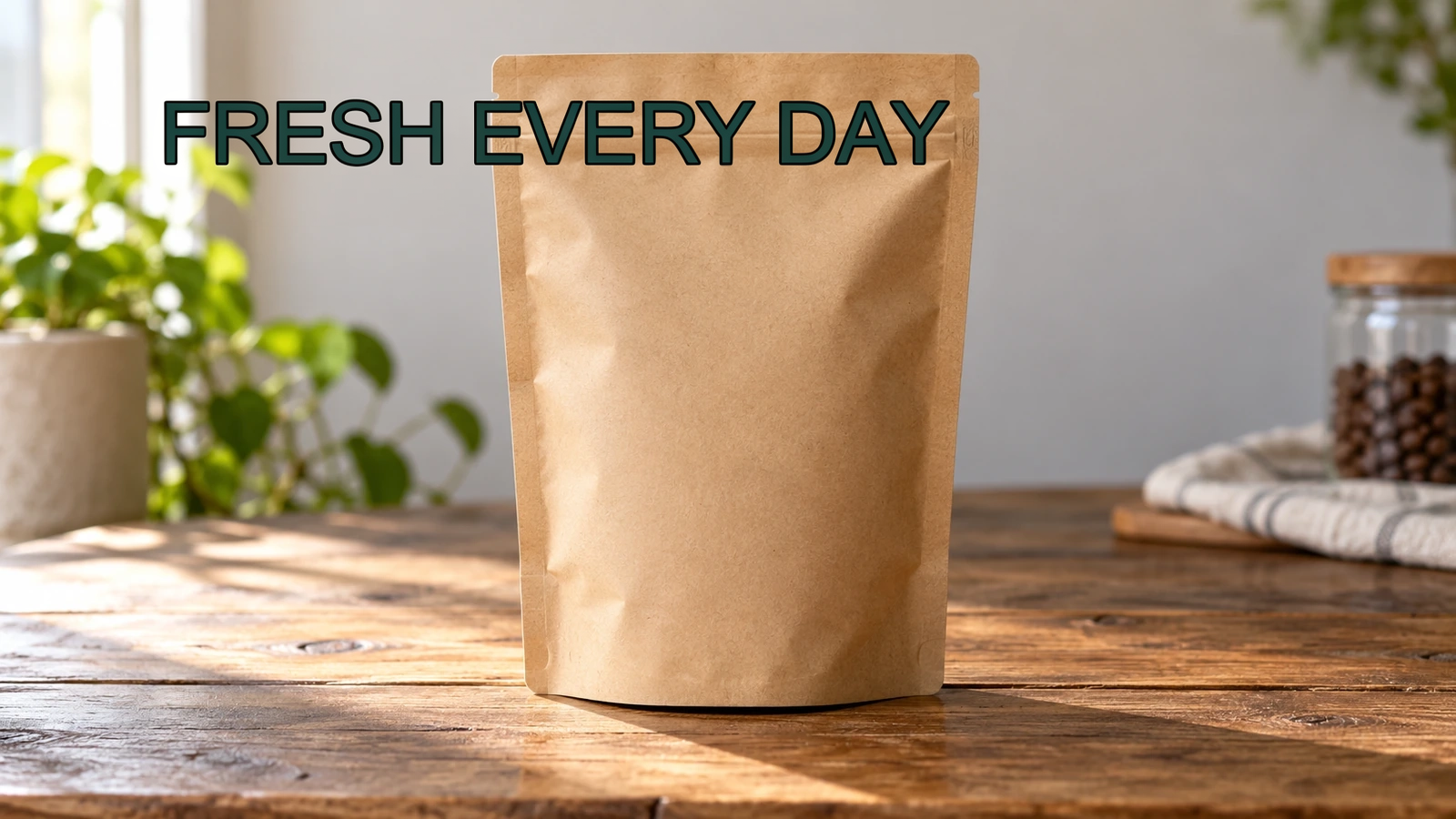
Loading an example is free. AI editing requires sign-in and credits; no generation starts automatically.
Replace an existing message directly in the editor above. Enter the old and new wording, then check how the new length fits the image. Try the example below before uploading your own image.
Changing text replaces an existing message with a different one. Unlike a spelling correction, the replacement may have a new length, language, or line structure. Tell the editor both what should change and which visual features should stay, then check whether the new wording still fits the original composition.
To replace text in an image, identify the old phrase and supply the final wording. Start in the general text editor, use the screenshot workflow for UI labels, or follow the same-font appearance guide when lettering is the priority.
When to use it
A storefront announces a new offering
A bakery sign can switch from a brownie message to a bagel message while retaining its hand-painted appearance. The replacement needs to fit the available sign, not simply squeeze more letters into the same space. Review line breaks, stroke weight, and decorative borders together.
A book concept needs a revised title
A cover mockup may need “THE LONG FIELD” changed to “THE WIDE FIELD.” Identify the title separately from the author line, and ask to preserve the typeface, tracking, and cover art. Even similarly sized words contain different letter shapes, so compare visual balance rather than expecting an identical pattern of ink.
A shop sign needs an English version
A translated sign can help visualize a storefront for another audience. Supply the approved translation yourself, including hyphens and capitalization. Chinese and English have different lengths and shapes, so “keep the same style” means preserving visual character rather than guaranteeing identical typography. Check that the English remains readable and that no unintended bilingual fragments remain.
How to do it step by step
- Prepare the replacement copy. Confirm the final wording before uploading. Count the lines and consider whether it is much longer than the original. For a translation, verify the meaning with someone who understands both languages instead of relying on the image model to decide it.
- Upload and identify the existing phrase. Use a clear JPEG or PNG, quote the old wording, and describe its position. If the image contains several signs, specify the shopfront sign above the entrance rather than requesting a change to “the text.”
- Set the preservation rules. Name the lettering style, weight, color, author line, artwork, and background that must stay. If the new phrase is longer, say whether line wrapping may change. Avoid simultaneously requesting new lighting or a redesigned scene.
- Submit one version. Review the displayed credit estimate and submit with the preset editor.
- Review both message and composition. Read every new word and inspect the unchanged text. Check spacing, baseline, alignment, and fit within the physical sign or cover. Reject an output that changes the author, price, doorway, or background even if the main replacement looks attractive.
Prompt examples
Change "BEST BROWNIES EVER INSIDE" to "FRESH BAGELS EVERY MORNING", in the same letters. Keep the layout, every other word, the lettering style, sizes and positions, the imagery, colours and framing exactly as they are.
This requests a new bakery message while explicitly protecting the surrounding photograph and painted style.
Change the cover title from "THE LONG FIELD" to "THE WIDE FIELD". Keep the same typeface, weight, letter spacing, author line and all other elements unchanged.
The author line is called out because it is separate text that should not be regenerated with a new name.
Replace the Chinese sign lettering with "HAND-PULLED NOODLES", keeping the original lettering style, weight, placement and layout. Change nothing else in the image.
This supplies a specific translation instead of asking the model to invent an English business name.
Common problems
The new wording is too long
A longer message may force smaller letters, tighter spacing, or extra lines. Shorten the copy if preserving the original layout matters most. If a line break is acceptable, specify it. You cannot always retain the exact size, spacing, and position while adding substantially more characters to a fixed-width sign.
Old and new letters overlap
Make the replacement relationship explicit: “replace X with Y,” not merely “add Y.” Inspect for remnants of the original phrase, especially around edges and textured paint. If the result mixes both versions, retry from the clean source rather than asking the model to fix a confusing intermediate image.
Translation changes the visual identity
Ask for the same broad qualities, such as heavy brush lettering or restrained serif capitals, but do not assume one font supports every writing system. Compare stroke rhythm and readability. AI may still alter letterforms; exact typography requires the original design assets and appropriate fonts.
FAQ
Can I keep the same font?
You can request matching typography, but a generated visual match is not proof that the same font was used. Inspect distinctive characters, spacing, and weight. Use a design editor when exact font identity is a requirement.
Can I change a price or date?
Yes, a short line can be targeted like any other text. Verify the new value yourself and inspect currency symbols, decimal points, and adjacent details. A changed image should not be used to misrepresent a transaction or historical record.
How does this differ from editing a typo?
A typo repair aims to preserve the existing message. Replacement introduces a new message or language and may require more layout judgment. For a small spelling correction, start with the narrower edit text guide.
Have approved wording ready? Open the image editor and specify the old phrase, new phrase, and details that must remain.